Pages

Showing posts with label Tom Kirkwood. Show all posts

Thursday, 30 December 2010

Why can't we live forever by Tom Kirkwood

reposted from: Scientific American, September 2010, pg 42-49
stored on my PC: 0910042-kirkwood.pdf
crabsallover highlights and key points and comments

As we grow old, our own cells begin to betray us. By unraveling the mysteries of aging, scientists may be able to make our lives longer and healthier, By Thomas Kirkwood.

The average life span of humans continues to lengthen, and some scientists have begun to ponder whether this trend will continue indefinitely. Not every species ages, and some research suggests that drugs or changes in diet may slow metabolism or alter basic aging processes so that we can live longer. All proposed longevity strategies remain unproved, however. .Scientific American Editors

If you were given a free hand to plan how your life will end—your last weeks, days, hours and minutes—what would you choose? Would you, for example, want to remain in great shape right up until the last minute and then go quickly? Many people say they would choose that option, but I see an important catch. If you are feeling fine one moment, the very last thing you would want is to drop dead the next. And for your loving family and friends, who would suffer instant bereavement, your sudden death would be a cruel loss. On the other hand, coping with a long, drawn-out terminal illness is not great either, nor is the nightmare of losing a loved one into the dark wastes of dementia. We all prefer to avoid thinking about the end of life. Yet it is healthy to ask such questions, at least sometimes, for ourselves and to correctly define the goals of medical policy and research. It is also important to ask just how far science can help in efforts to cheat death.

We’re Living Longer 
it is often said that our ancestors had an easier relationship with death, if only because they saw it so much more often. Just 100 years ago life expectancy was shorter by around 25 years in the West. This literal fact of life resulted because so many children and young adults perished prematurely from a whole variety of causes. A quarter of children died of infection before their fifth birthday; young women frequently succumbed to complications of childbirth; and even a young gardener, scratching his hand on a thorn, might be lost to fatal blood poisoning. Over the course of the past century sanitation and medical care so dramatically reduced death rates in the early and middle years of life that most people now pass away much later, and the population as a whole is older than ever before. Life expectancy is still increasing worldwide. In the richer countries around the world it lengthens five hours or more every day, and in many developing countries that are catching up the rate quickens still faster.

Today the dominant cause of death is the aging process itself and the various diseases to which it gives rise—whether cancer, which drives cells to proliferate out of control, or Alzheimer’s, at the opposite pole, which causes premature death of brain cells. Until as recently as 1990, demographers predicted confidently that the historical trend of increasing life expectancy would soon cease. Aging, many researchers believed, was fixed—a process programmed into our biology that resulted in a built-in time of death. No one foresaw the continued increase in life expectancy. It has taken our politicians and planners by surprise. Scientists are still coming to terms with the notion that aging is not fixed, that average life spans have not reached a limit. They change and continue to change, stretched for reasons that we do not fully understand. The declining death rates of the very old are now driving human life expectancy into uncharted territory. If the prevailing certainties about human aging have crumbled, what is left? What does science actually know about the aging process?


Why We Age as We Do 
Cells are damaged all the time—DNA gets mutated, proteins get damaged, highly reactive molecules called free radicals disrupt membranes, and the list goes on. Life depends on the continual copying and translation of genetic data, and we know that the molecular machinery handling all these things, excellent as it may be, is not perfect. Considering all these challenges, the immortality of the germ line is actually remarkable. Living cells operate constantly under threat of disruption, and the germ line is not immune. The reason that the germ line does not die out in a catastrophe of errors has to do, on the one hand, with its highly sophisticated mechanisms for cellular self-maintenance and repair and, on the other hand, with its ability to get rid of its more serious mistakes through continual rounds of competition. Sperm are produced in vast excess; usually only a good one can fertilize the egg. Egg-forming cells are produced in much greater numbers than can ovulate; stringent quality control eliminates the ones that fail to make the grade. And finally, if errors slip past all these checks, natural selection provides the final arbiter of which individuals are the fittest to transmit their germ line to future generations.

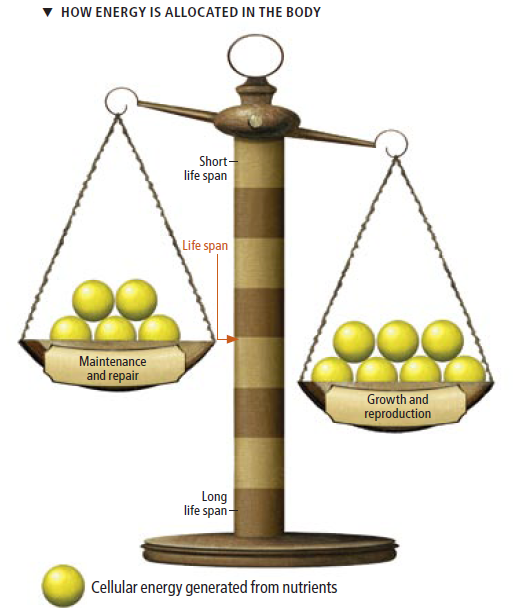
After the seemingly miraculous feat of growing a complex body from a single cell—the fertilized egg—it should be relatively straightforward merely to keep a body going indefinitely—as American evolutionist George Williams has pointed out. Indeed, for some multicelled organisms, an absence of aging appears to be the rule. The freshwater hydra, for example, shows an extraordinary power of survival. Not only does the hydra apparently not age, in the sense that as it gets older it shows no increase in death rate or decline in fertility, it also appears capable of regrowing a whole new body from even a tiny fragment, if by chance it is cut into pieces. The secret of the hydra’s eternal youth: quite simply, germ cells permeate its body. If the immortal germ line is everywhere, it actually comes as no surprise that an individual hydra can survive without any foreseeable end, presuming it does not succumb to injury or predators. In most multicelled animals, however, the germ line is found only in the tissue of the gonads, where the sperm and eggs form. This arrangement provides great advantages. During the long history of evolution, it freed other cell types to become specialists—nerve, muscle and liver cells, among others, that are required for the development of any complex organism, whether a Triceratops or a human. This division of labor had far-reaching consequences for how organisms age and how long they can live. As soon as the specialist cells surrendered the role of continuing the species, they also abandoned any need for immortality; they could die after the body had passed on its genetic legacy through the germ line to the next generation. Ultimate Trad e-offs so how long can those specialist cells survive? In other words, how long can we and other complex organisms live? The answer for any given species has a lot to do with the environmental threats its ancestors faced as they evolved and with the energy costs of maintaining the body in good operating order. By far the majority of natural organisms die at relatively young ages because of accidents, predation, infection or starvation. Wild mice, for example, are at the mercy of a very dangerous environment. They are killed rather quickly—it is rare for a wild mouse to see its first birthday. Bats on the other hand are safer because they can fly. Meanwhile maintenance of the body is expensive, and resources are usually limited. Out of the daily intake of energy, some might go to growth, some to physical work and movement, some to reproduction. Some energy, instead, might be stored as fat to protect against famine, but much gets burned just to fix the innumerable faults that arise every second the organism is alive. Another increment of these scarce resources goes to proofread the genetic code involved in the continual synthesis of new proteins and other essential molecules. And still another allocation powers the energy-hungry garbage disposal mechanisms that clear molecular debris out of the way.

Here is where the disposable soma theory comes in. The theory posits that, like the human manufacturer of an everyday product—a car or a coat, for example—evolving species have to make trade-offs. It does not pay to invest in allowing indefinite survival if the environment is likely to bring death within a fairly predictable time frame. For the species to survive, a genome basically needs to keep an organism in good shape and enable it to reproduce successfully within that time span. At all stages of life, even to its very end, the body does its utmost to stay alive—in other words, it is programmed not for aging and death but for survival. But under the intense pressure of natural selection, species end up placing higher priority on investing in growth and reproduction—in the perpetuation of the species—than on building a body that might last forever. So aging is driven by the gradual lifelong accumulation of diverse forms of unrepaired molecular and cellular damage. No biological software program, then, dictates precisely when it is time to die, but growing evidence suggests that certain genes can nonetheless influence how long we live. Tom Johnson and Michael Klass, working with tiny nematode worms, discovered a gene with such an effect on longevity in the 1980s. Mutation of a gene that the researchers aptly named age-1 produced a 40 percent increase in average life span. Since then, investigators in many laboratories have found numerous other genes capable of increasing nematode life span, and similar mutations have turned up in other animals, from fruit flies to mice. The genes that extend life span mostly alter an organism’s metabolism, the way it uses energy for bodily functions. Often investigators find these genes play a role in the insulin-signaling pathway, pivotal in metabolic regulation. The cascades of molecular interactions constituting this pathway shift the overall level of activity of literally hundreds of other genes responsible for controlling all the intricate processes that carry out cellular maintenance and repair. In effect, it seems that lengthening life span requires changing exactly those processes we know protect the body against buildup of damage. The amount of food available also ratchets metabolism up or down. As long ago as the 1930s, researchers discovered, rather surprisingly, that underfeeding laboratory rodents extends their lives. Once again, modulating metabolism seems to have an effect on the rate of damage accumulation, because mice subjected to dietary restriction increase the activity of a range of maintenance and repair systems. At first glance, it might seem strange that an animal short of food should spend more, not less, energy on bodily maintenance. A period of famine is, however, a bad time to reproduce, and some evidence suggests that during famines certain animals will do better to switch off their fertility, thereby diverting a large fraction of their remaining energy budget to cell maintenance. O f Mice and Men this notion of caloric restriction—and its purported ability to extend longevity—has captured the attention of people who wish to live longer. Humans who go hungry in the hope of a longer life should take note, though, that such a mechanism is much less likely to work for us because our slow-paced metabolism differs greatly from that of organisms in which this strategy has already been tested.

Dramatic extension of life span has indeed been achieved in worms, flies and mice. These animals, with their short-lived, fast-burn biology, have an urgent need to manage their metabolism in a way that adapts rapidly to changing circumstances. In nematode worms, for example, most of the more spectacular effects on life span result from mutations that evolved to allow the worms to switch their development to a stress-resistant form whenever they find themselves in a bad environment and potentially required to make a long trek to find better living conditions. We humans, in any case, may not have the same flexibility in altering our own metabolic control. Immediate metabolic effects, of course, occur in humans who undergo voluntary dietary restriction, but only time—and many hungry years—will tell if these have any beneficial impact on the aging process and, in particular, on longevity.

The goal of gerontology research in humans, however, is always improving health at the end of life, rather than achieving Methuselean life spans. One other thing is also very clear: the longer-lived worms, flies and mice still undergo the aging process. Aging happens because damage still accumulates and in time leads to the breakdown of healthy functions of the body. Therefore, if we want our end to be actually better, we need to look elsewhere. In particular, we need to focus on figuring out how to safely limit or reverse the buildup of damage that leads eventually to age-related frailty, disability and disease. This goal represents a huge challenge and calls for some of the most demanding of today’s interdisciplinary research. No Simple Answers aging is complicated. It affects the body at all levels, from molecules to cells to organs. It also involves multiple kinds of molecular and cellular damage. And although it is true that, in general, this damage accumulates with age and occurs slower in some cell types than in others (depending on the efficiency of the repair systems), injury to any given cell occurs randomly, and the extent can differ even in two cells of the same type in an individual. Thus, all individuals age and die, but the process varies considerably—more confirmation that aging does not stem from a genetic program that specifies how quickly we become frail and die. To understand aging in enough detail to intervene in a suitably targeted fashion that stops or slows the death of selected kinds of cells, we need to know the nature of the molecular defects that drive the aging process at the cellular level. How many of these flaws must accrue before the cell can no longer function? How many defective cells need to accumulate in a given organ before it shows signs of disease? And if we agree that some organs are more important to target than others, how do we deliver the necessary precision? It may be possible to combat aging by altering important mechanisms that cells use to counteract the buildup of damage. One way that a cell responds to too much wear and tear is simply to kill itself. At one time, scientists viewed this cellular suicide process, technically called apoptosis, as evidence that aging adheres to a genetic program. In aged tissues the frequency of cells killing themselves increases, and this process does indeed contribute to aging. But we now know that apoptosis acts chiefly as a survival mechanism that protects the larger body from injured cells that could potentially cause trouble, notably, ones that have become malignant. Apoptosis happens more in old organs because their cells have suffered more insults. Remember, though, that in nature animals rarely live long enough to grow old. Apoptosis evolved to deal with damaged cells in younger organs, when many fewer would need to be eliminated. If too many cells die, an organ fails or becomes debilitated. So apoptosis is good and bad—good when it deletes potentially dangerous cells, bad when it deletes too many. Nature cares more about survival of the young than managing decline in old age, so not all apoptosis might be strictly necessary in our later years. In some diseases, such as stroke, researchers hope that by suppressing apoptosis in the less damaged tissue, the resulting loss of cells may be reduced, thereby aiding recovery. Instead of dying, hurt cells that are normally able to reproduce may take a less extreme course and simply stop dividing, a fate known as replicative senescence. Fifty years ago Leonard Hayflick, now at the University of California, San Francisco, discovered that cells tend to divide a set number of times—now called the Hayflick limit—and then stop. Later work showed that they often stop dividing when the caps, or telomeres, that protect the ends of chromosomes erode too much. But other details of how cell senescence sets in remained obscure. Recently, though, my colleagues and I have made an exciting discovery. We found that each cell has highly sophisticated molecular circuitry that monitors the level of damage both in its DNA and in its energy-forming units known as mitochondria. When the amount of damage passes some threshold, the cell locks itself into a state where it can still perform useful functions in the body but can never divide again. As with apoptosis, nature’s bias toward the survival of the young probably means that not all these lockdowns are strictly necessary. But if we are to unpick the locks and so restore some division capacity to aged cells, without unleashing the threat of cancer, we need to understand very thoroughly just how cell senescence works. The demanding science needed to make this discovery required a multidisciplinary team, including molecular biologists, biochemists, mathematicians and computer scientists, as well as state-of-the-art instruments for imaging the damage in living cells. Where such discoveries might lead we do not yet know, but it is through studies of this kind that we can hope to identify novel drugs able to combat age-related diseases in completely new ways and thereby shorten the period of chronic illness experienced at the end of life.

The difficulty of this type of basic research means that many years, perhaps decades, may pass before these drugs come to market. Using the science of aging to improve the end of life represents a challenge, perhaps the greatest yet to face medical science. Solutions will not come easily, despite the claims made by the merchants of immortality who assert that caloric restriction or dietary supplements, such as resveratrol, may allow us to live longer. The greatest human ingenuity will be needed to meet this challenge. I believe we can and will develop treatments targeted at easing our final years. But when the end arrives, each of us.alone.will need to come to terms with our own mortality. All the more reason then to focus on living.on making the most of the time of our lives, because no magic elixir will save us. ¡

More To Explore 

  • How and Why We Age. Leonard Hayflick. Ballantine Books, 1994. 
  • Understanding Ageing. Robin Holliday. Cambridge University Press, 1995. 
  • Why We Age: What Science Is Discovering about the Bodys Journey through Life. Steven N. Austad. John Wiley and Sons, 1999. 
  • U nderstanding Ageing from an Evolutionary Perspective. T. B. Kirkwood in Journal of Internal Medicine, Vol. 263, No. 2, pages 117.127; February 2008. 
  • The End of Age. Thomas Kirkwood. BBC Reith Lectures. www.bbc.co.uk/radio4/reith2001
Comment on this article at www.ScientificAmerican.com/TheEnd

Wednesday, 29 December 2010

Understanding ageing from an evolutionary perspective by Tom Kirkwood

reposted from: http://129.123.92.202/biol5250-pfrender/Assignment%202_files/Senescense/Kirkwood%202008.pdf doi: 10.1111/j.1365-2796.2007.01901.x via SciAm

Abstract.
Kirkwood TBL (Institute for Ageing and Health, Newcastle University, Newcastle upon Tyne, UK). Understanding ageing from an evolutionary perspective (Review). J Intern Med 2008; 263: 117–127.

There is clear heritability of human longevity. However, the genetics of ageing is likely to be complex. Evolution theory tells us not to expect genes that have been selected to promote ageing. Ageing is not programmed but results from accumulation of somatic damage, owing to limited investments in maintenance and repair. Genes controlling the levels of activities, such as DNA repair and antioxidant defence, thus regulate longevity. In addition, there may be contributions either from late-acting deleterious genes that escape the force of natural selection or that trade benefit at an early age against harm at older ages. In some species, there is evidence that genes have evolved to detect and respond to changes in the environment, e.g. food supply. Evolutionary understanding can also help to understand important features of the human life history such as menopause.

Sunday, 28 November 2010

“Dividends” From Research on Aging—Can Biogerontologists, at Long Last, Find Something Useful to Do?

reposted from: http://www.ncbi.nlm.nih.gov/pmc/articles/PMC2655023/


crabsallover highlights in blue, key points in bold blue.


J Gerontol A Biol Sci Med Sci. 2009 February; 64A(2): 157–160.
Published online 2009 February 18. doi: 10.1093/gerona/gln062.
PMCID: PMC2655023
“Dividends” From Research on Aging—Can Biogerontologists, at Long Last, Find Something Useful to Do?
Richard A. Millercorresponding author
Department of Pathology and Geriatrics Center, Ann Arbor VA Medical Center, University of Michigan
corresponding authorCorresponding author.
Address correspondence to Richard A. Miller, MD, PhD, Department of Pathology and Geriatrics Center, Ann Arbor VA Medical Center, University of Michigan, 109 Zina Pitcher Place, Ann Arbor, MI 48109-2200. Email: millerr@umich.edu
Decision Editor: Huber R. Warner, PhD
Received December 9, 2008; Accepted December 10, 2008.
Biogerontologists and demographers have argued that the fastest, most cost-effective strategies for prevention of the medical problems that afflict those older than 60 years are likely to emerge from a deeper understanding of what factors time the aging process and how aging leads, in rough synchrony, to the many diseases and disabilities of aging. Biologists can support and refine this discussion by studies of slow-aging mice, of mice with disease-promoting mutations, of mice in which specific cellular responses have been abrogated by genetic or pharmaceutical interventions, of slow-aging dog and horse breeds, and of the factors, genetic and physiological, that coordinate lethal and nonlethal consequences of aging in people. More work is also needed to learn how timing of antiaging interventions can be used to optimize the balance between beneficial and undesirable effects.
Keywords: Longevity, Health, Animal models, Interventions
RECENT articles, organized around the theme of a “dividend” from aging research, have argued that investigations of the basic biology of aging may provide a quicker, cheaper, and more effective route to medical discoveries than the conventional approaches that focus on a single disease at a time (1). The central underlying fact is that most of the major lethal illnesses increase exponentially with age in late adult life, so that even a cure for any one major disease has only a slight effect on healthy life expectancy (2). In rodents exposed to a calorie-restricted (CR) diet, or rodents blessed with an antiaging mutation, or in slow-aging breeds of dogs, all or nearly all the consequences of aging are postponed in coordinated lockstep. In laboratory animals, the net effect of this postponement of multiple diseases, disabilities, and tissue dysfunction can produce an extension of healthy life span of as much as 40%, and this is an order of magnitude greater than the benefit that would result from a cure for cancer, heart attack, or Alzheimer's disease (3). At a recent conference sponsored by the National Institute on Aging, a group of scientists developed a set of proposals for refining and testing our knowledge of the links between aging rate and the diseases that afflict older people and for using mechanistic discoveries about aging to guide the development of preventive medicines practical for human use. A research agenda in this area might include some of the following themes:
1. Assessment of the degree to which antiaging interventions, in animal models, preserve good health, in addition to their effects on life span per se. The distinction between life span and the newly coined concept of “health span” turns on the fear that some forms of intervention might lead to increased longevity only by prolonging the period of ill-health often encountered in late life. There is near-universal agreement that a drug that merely postponed death in those suffering great pain, or whose cognition has been undermined by late-life diseases, would have little appeal. Opposition to antiaging interventions is often based on the assumption that these approaches are bound to increase, in proportion, all stages of the life course, as though one were stretching a rubber band by pulling on one end. The evidence on this point, though sparse, points consistently in just the opposite direction. When aging is delayed, in laboratory mice or rats, whether by genetic or dietary means, the animals not only live longer but also are much less likely to have a serious chronic illness at the time of their (dramatically postponed) death. Rats on an antiaging, low-calorie diet, for example, continue to run for 1–3 km/day even at ages where all the control rats have long since died, that is, at ages proportionally equivalent to 100-year-old people (4). The incidence of cancer and kidney disease in slow-aging mice, at the time of their death, is also lower than that seen in normal animals dying much earlier (5,6). The ability to learn and remember is also retained longer in slow-aging mutant mice than in their normal siblings (7). Thus, the evidence available so far suggests consistently that genetic and dietary interventions that slow aging certainly postpone, and may even shorten, the period of disease, suffering, and impairment at the end of the life course.
The research challenge here is to develop a more comprehensive list of examples—and, possibly, exceptions—of connections between antiaging interventions and preservation of excellent physiological function. It would advance the discussion to know which approaches to life-span extension preserve youthful function of the liver, gut, and kidneys, immune responses, cognitive powers, bone strength, glucose homeostasis, aerobic capacity, and resistance to neoplastic and degenerative diseases—and which, if any, do not. Data in flies (8) and rodents (9,10) suggest that restriction of amino acids may postpone some aspects of aging, and delay death and disease, through pathways different from those triggered by caloric restriction, and exploration of the pathophysiological mechanisms in these systems is likely to be informative.
Many of the genetic mutations, and diets, that delay multiple aspects of aging in rodents also lead to impairment of fertility or lead to other undesirable side effects that would be unacceptable if they were produced by preventive medicines aimed at human use. Studies of long-lived breeds of dogs and horses (11), in which slow aging is accompanied by fertility and robust good health, may help to define those aspects of late-life decline that are coordinately delayed by antiaging maneuvers.
2. A second line of research could evaluate the effects of antiaging interventions (genetic, dietary, or perhaps pharmaceutical) in mice genetically predisposed to specific diseases or in which a disease important in humans is induced by nutritional means or exposure to a toxin. There are now many mouse models of age-dependent human illnesses such as hypertension, Huntington's disease, Parkinson's disease, diabetes, and many forms of cancer; most of these experimental systems are at least potentially relevant to human pathophysiology, even if none provides a perfect imitation of the corresponding human disease state. Many illnesses and disabilities of clinical importance, such as loss of muscle strength, poor immune responses to vaccines and infections, cataracts, and declines in cognition also occur spontaneously as a consequence of normal aging in many rodent stocks. Studies that evaluate the effects of antiaging interventions on the risk, rate of progression, and detailed pathophysiology of these humanoid diseases would provide valuable information about the way in which youth delays, and age conversely permits, the key steps in pathogenesis of these forms of illness.
Such a research program could focus strongly on hypotheses about mechanism. Some diseases have a “multihit” etiology, requiring (in many forms of neoplasia, eg,) a sequence of steps including changes in tumor properties and loss or inhibition of host defenses. It would be very informative to know which of these interlaced changes are delayed by various forms of antiaging interventions and which are not.
3. Studies of the links between antiaging interventions and disease processes could also exploit experimental designs that evaluate the role of specific tissues, endocrine and neural pathways, and cellular responses that connect diseases to aging itself. A provocative example comes from the demonstration that the inhibitory effect of caloric restriction on carcinogen-induced pre-neoplastic skin lesions requires the presence of an intact adrenal gland (12). Surgical designs of this kind could help to test the importance of other endocrine and neural circuits as mediators of the antiaging effects of caloric restriction or antiaging mutations. Pharmacological ablation of specific cell types (13) or impairment of specific neuroendocrine pathways or exploitation of mice engineered to lack a specific hormonal response, cytokine, thalamic neural subset, or mitochondrial feedback loop could be evaluated to see which specific antidisease effects of CR are preserved and which are lost. Mouse geneticists have developed powerful tools for such studies, by which transgenic mice can be engineered to express varying levels of a given gene at times or in tissues of particular interest.
4. More attention should be paid to the effects of antiaging maneuvers imposed at various ages. Are there ages at which antiaging diets or drugs or genetic shifts are no longer beneficial? Are there periods, perhaps just after birth or around puberty, at which even brief exposure to an antiaging intervention would be particularly beneficial? Does optimal longevity, with optimal good health, require lifelong exposure to a specific intervention, or would interruption of the treatment in middle age produce a better outcome? Data on these points, particularly on the question of whether specific developmental phases present “windows of sensitivity” to various antiaging interventions, would rule out some mechanistic ideas and promote new ones for further testing. Such investigations could also help to delineate antiaging pathways that require early life exposure for effectiveness (“preventive” medicines) from those that might be effective against aging or specific diseases of aging when initiated in middle age or later. In addition to its biologic implications, evidence of this kind would be useful in deciding which approaches might be most suitable for testing in human clinical trials with relatively short-term end points, that is, might be expected to produce an effect after 5 rather than 50 years of exposure.
5. Studies of invertebrates, primates, dogs, horses, and people can also help to address the underlying idea that slow aging leads to coordinated delay of multiple diseases and other afflictions, extending both life span and health span in parallel. Better delineation of the effects of aging on heart and skeletal muscle function, neural circuitry, and protection against infection in worms and flies will help investigators sort out alleles and environmental manipulations that retard physiological decline in single-cell types or in the organism as a whole. Information about interventions that work only on specific organs and those that oppose aging effects in the animal as a whole will both be of great interest. Current studies of CR rhesus monkeys are too small, and too contaminated by deaths from extraneous causes, to provide an unambiguous answer as to whether CR diets extend maximum life span by antiaging effects in nonhuman primates. These studies could, however, if the study directors chose, be repurposed to provide a valuable catalog of the effects of CR on age-related decline in multiple physiological and cellular end points. A previous CR study in dogs (14) suggested a beneficial effect on life span, but interpretation is compromised by the use of a dog breed (the Labrador retriever) in which the principal cause of death, hip arthritis, is already well known to be exacerbated by even moderate obesity and thus preventable by food restriction to promote weight loss. A follow-up study using mixed breed dogs, and including multiple tests of age-sensitive traits, could provide a definitive answer to the disputed question of whether CR diets will oppose aging and extend life span in a large mammal that lives longer than mice and rats. A dog study of this kind could also address the fear that antiaging interventions might increase the risk of prolonged late-life debilitation and at the same time give useful insights into the specific diseases and age-sensitive functions that are sensitive to CR. There is some anecdotal evidence, and a smidgen of statistical data (15), to suggest that small breeds of horses are much longer lived than standard-sized horses; comparisons of the biochemistry, developmental biology, age-sensitive physiology, and pathological findings among the many breeds of standard and pony horse stocks could produce a wealth of new information relevant to the links connecting aging rate to risks of multiple age-related end points (16). Studies of the physiological differences between long- and short-lived dogs, and horses, that are associated with elevated breed-specific longevity and health span would be particularly informative because the association of body size to longevity, positive among sets of mammalian species, is of opposite sign in these sets of breeds. A mixture of natural and artificial selection has, within each of these species, created multiple examples of the “longevity dividend” in action, available for exploration of ideas about the hormonal and cellular levers that would be relevant to achieving a similar effect through preventive medicines in people. The very strong and consistent association, in people, between short stature and resistance to multiple forms of cancer (reviewed in [11]) suggests that studies of horse and dog breeds are likely to provide insights of direct relevance to human illnesses and provides a strong rationale for further evaluation of multiple age-sensitive end points in people of different (young adult) height.
6. There is a good deal of uncertainty, and much controversy, over the issue of whether effective antiaging interventions can be developed, in a long-lived species like our own, that do not bring with them unacceptable side effects. Those who are on the pessimistic side of this discussion point to theoretical ideas that “investment” of biologic “resources” into maintenance of good health must inevitably come from divestment of these resources from reproductive activity, and they point out instances in which antiaging maneuvers in experimental animals both increase life span and decrease fertility. A related, but distinct, set of concerns arises from the observation that long-lived mice and rats, although apparently resistant to the kind of endogenous damage that leads to late-life illness and death, often exhibit traits (small size, susceptibility to low temperature, infection, and wounding, and vulnerability to sporadic periods of starvation) that would impair their fitness in a natural setting, in which they must compete with conspecifics for food and mates and deal with the usual range of infections, predators, and climatic threats. The optimists, from their court, point to evidence that natural selective processes have repeatedly been able to promote the evolution of breeds of horses and dogs and species of primates, bats, birds, opossums, flying squirrels, porcupines, tuna, and cetaceans, in which exceptional longevity (and exceptionally long-lasting health) have emerged without impairment in vigor, fertility, or adaptability to environmental insults (see also article by Austad, [17]). Although not every bet on every stock leads to a dividend, the record of natural selection, even operating over brief intervals on an evolutionary timescale, provides good confidence that improvements in longevity need not inevitably be accompanied by infertility or decrepitude. Laboratory analyses of antiaging drugs, alleles, and diets in animal models will need to sort out how each of these maneuvers leads to both beneficial and noxious effects, the better to promote desirable outcomes with the lowest possible physiological price tag.
7. Why then, given the remarkable progress and even more remarkable promise of research in basic biogerontology, have those responsible for allocation of funding resources not yet settled on aging research as the most promising, that is, least expensive, and quickest path to medical progress (1,3)? The desire to trumpet the potential medical benefits of biogerontology confronts multiple obstacles. These include the understandable desires of clinicians, and physician scientists, to develop approaches that can deliver relief of symptoms to those already ill, and to treat the specific illnesses that trouble, and threaten to kill, the patients who will enter the clinic tomorrow morning. Medical researchers, and those who fund their work, can be impatient with research strategies that divert ever-scarce resources to studies of basic biologic problems whose connections to diseases are not yet fully understood and might even, in their view, be entirely notional. Economists, who are charged with finding ways to triage inadequate resources among competing interests—the medically underserved in this and other countries; wealthy consumers with the political influence to see to it that their own needs are met first; the minions of the powerful insurance, pharmaceutical, and hospital lobbies; and the politicians who view appropriations as tools in the reelection process—have some understandable reservations about endorsing new approaches to life extension without a clear argument about how these will reduce per capita health costs. Arguments that the relevant parameter is health/dollar, rather than dollars spent per se, are considered unpersuasive. Attempts to interest pharmaceutical magnates in aging research also have a steep hill to climb: to survive in a competitive marketplace, those responsible for short-term and mid-term financial success must focus on producing, quickly, at least a few products likely to prove highly profitable. It is hardly surprising to find these companies reluctant to divert resources to the exploration of a strategy that might, in 10 or 30 or 100 years, lead to an effective preventive medicine, for which the risk/benefit ratio could then require another generation to calculate. Gerontologically oriented entrepreneurs have, with some success, tried to entice the interest of major drug firms by touting antiaging strategies that might, possibly, also lead to short-term benefits to patients suffering a common form of disease, such as diabetes. Such an approach could lead to the introduction, into clinical practice, of agents that retard aspects of the aging process itself, but evidence that these agents did indeed delay or decelerate aging, and do so in younger individuals, would be much more difficult to produce.
Given these obstacles, biogerontologists may pin their hopes to an educational strategy, in which journalists and other opinion leaders, appropriately swayed by the promise of aging research, go on a crusade to teach the voting public, influential scientific administrators, and key political figures about the pressing need for a “war on aging” as a very sensible way to use medical research dollars for the public weal. Similar campaigns, in the United States, have after all been able to gin up support for substantial new investments in research on breast cancer, AIDS, heart disease, Alzheimer's disease, muscular dystrophy, and a wide range of other serious illnesses. Attempts to foment a similar level of enthusiasm for research on the biology of aging have had only modest success, in part because of the widespread misimpression that aging rate is unalterable and in part because centuries of exaggerated claims for antiaging nostrums (18) and schemes (19) have stigmatized the entire field, building up a wall of sales resistance steep and thick enough to repel news of genuine progress, however well founded.
There is a story, perhaps apocryphal, that a major news organization owns a large wastepaper basket into which the editors can discard rejected story ideas for reports about scientific progress and that this wastebasket is labeled “Good News for Mice.” Overcoming this irrational prejudice, finding a way to teach supporters of science and medical research that good news for mice is a key first step toward good news for people, will require two-way communication between those who know and care about how to design and interpret scientific experiments and those who have the skills to communicate the implications of these discoveries to a wider public.
Acknowledgments
The ideas in this essay were developed, and in many cases molded, through discussions in September, 2008, at the National Institute on Aging–sponsored “Biology of Aging Summit” with Ana Maria Cuervo, Dean Jones, Tom Kirkwood, Stephanie Lederman, Gordon Lithgow, Peter Rabinovitch, Felipe Sierra, and Huber Warner, and I have benefited greatly from their comments during and after the meeting. It would be unwise, however, to infer that the opinions presented here adequately reflect the diversity of views within this group of creative and argumentative colleagues.
1. Olshansky SJ, Perry D, Miller RA, Butler RN. In pursuit of the longevity dividend. Scientist.2006;20:28–35.
2. Olshansky SJ, Carnes BA, Cassel C. In search of Methuselah: estimating the upper limits to human longevity. Science. 1990;250:634–640. [PubMed]
3. Miller RA. Extending life: scientific prospects and political obstacles. Milbank Q. 2002;80:155–174.[PubMed]
4. McCarter R, Masoro EJ, Yu BP. Does food restriction retard aging by reducing the metabolic rate?Am J Physiol. 1985;248:E488–E490. [PubMed]
5. Ikeno Y, Bronson RT, Hubbard GB, Lee S, Bartke A. Delayed occurrence of fatal neoplastic diseases in ames dwarf mice: correlation to extended longevity. J Gerontol A Biol Sci Med Sci.2003;58(4):291–296. [PubMed]
6. Vergara M, Smith-Wheelock M, Harper JM, Sigler R, Miller RA. Hormone-treated Snell dwarf mice regain fertility but remain long-lived and disease resistant. J Gerontol A Biol Sci Med Sci.2004;59:1244–1250. [PMC free article] [PubMed]
7. Kinney BA, Coschigano KT, Kopchick JJ, Steger RW, Bartke A. Evidence that age-induced decline in memory retention is delayed in growth hormone resistant GH-R-KO (Laron) mice. Physiol Behav.2001;72(5):653–660. [PubMed]
8. Skorupa DA, Dervisefendic A, Zwiener J, Pletcher SD. Dietary composition specifies consumption, obesity, and lifespan in Drosophila melanogaster. Aging Cell. 2008;7(4):478–490. [PMC free article][PubMed]
9. Richie JP, Jr, Leutzinger Y, Parthasarathy S, Malloy V, Orentreich N, Zimmerman JA. Methionine restriction increases blood glutathione and longevity in F344 rats. FASEB J. 1994;8:1302–1307.[PubMed]
10. Miller RA, Buehner G, Chang Y, Harper JM, Sigler R, Smith-Wheelock M. Methionine-deficient diet extends mouse lifespan, slows immune and lens aging, alters glucose, T4, IGF-I and insulin levels, and increases hepatocyte MIF levels and stress resistance. Aging Cell. 2005;4(3):119–125. [PubMed]
11. Miller RA, Austad SN. Growth and aging: why do big dogs die young? In: Masoro EJ, Austad SN, editors. Handbook of the Biology of Aging. 6th ed. New York: Academic Press; 2006. pp. 512–533.
12. Pashko LL, Schwartz AG. Reversal of food restriction-induced inhibition of mouse skin tumor promotion by adrenalectomy. Carcinogenesis. 1992;13(10):1925–1928. [PubMed]
13. Madden KS, Stevens SY, Felten DL, Bellinger DL. Alterations in T lymphocyte activity following chemical sympathectomy in young and old Fischer 344 rats. J Neuroimmunol. 2000;103(2):131–145.[PubMed]
14. Lawler DF, Larson BT, Ballam JM, et al. Diet restriction and ageing in the dog: major observations over two decades. Br J Nutr. 2008;99(4):793–805. [PubMed]
15. Brosnahan MM, Paradis MR. Demographic and clinical characteristics of geriatric horses: 467 cases (1989–1999) J Am Vet Med Assoc. 2003;223(1):93–98. [PubMed]
16. Egenvall A, Penell JC, Bonnett BN, Olson P, Pringle J. Mortality of Swedish horses with complete life insurance between 1997 and 2000: variations with sex, age, breed and diagnosis. Vet Rec.2006;158(12):397–406. [PubMed]
17. Austad SN. Comparative biology of aging. J Gerontol A Biol Sci Med Sci. 2009 doi: 10.1093/gerona/gln060.
18. Perls TT. Anti-aging quackery: human growth hormone and tricks of the trade—more dangerous than ever. J Gerontol A Biol Sci Med Sci. 2004;59(7):682–691. [PubMed]
19. Warner H, Anderson J, Austad S, et al. Science fact and the SENS agenda. What can we reasonably expect from ageing research? EMBO Rep. 2005;6(11):1006–1008. [PMC free article][PubMed]

Science fact and the SENS agenda

crabsallover says "a group of 'representative mainstream gerontologists' critique the anti-ageing SENS agenda of Aubrey de Grey. This is a classic example of the intersection between science, pseudoscience, science fiction, the scientific method and what I call the 'Engineering defence argument'. The EMBO Reports article is posted below in full without edits except crabsallover highlights are in blue & key points in bold blue."


EMBO Rep. 2005 November; 6(11): 1006–1008.
PMCID: PMC1371037
Science and Society
Viewpoint
Science fact and the SENS agenda
Huber Warner,a Julie Anderson,1 Steven Austad,2 Ettore Bergamini,3 Dale Bredesen,1 Robert Butler,4 Bruce A. Carnes,5 Brian F. C. Clark,6 Vincent Cristofalo,7 John Faulkner,8 Leonard Guarente,9 David E. Harrison,10 Tom Kirkwood,11 Gordon Lithgow,1 George Martin,12 Ed Masoro,2 Simon Melov,1Richard A. Miller,8 S. Jay Olshansky,13 Linda Partridge,14 Olivia Pereira-Smith,2 Tom Perls,15 Arlan Richardson,2 James Smith,2 Thomas von Zglinicki,11 Eugenia Wang,16 Jeanne Y. Wei,17 and T. Franklin Williams18
1Buck Institute for Age Research, Novato, CA, USA
2University of Texas Health Science Center, San Antonio, TX, USA
3University of Pisa, Pisa, Italy
4International Longevity Center, New York, NY, USA
5The University of Oklahoma Health Sciences Center, Tulsa, OK, USA
6Department of Molecular Biology, Aarhus University, Denmark
7Lankenau Institute for Medical Research, Wynnewood, PA, USA
8University of Michigan, Ann Arbor, MI, USA
9Massachusetts Institute of Technology, Cambridge, MA, USA
10The Jackson Laboratory, Bar Harbor, ME, USA
11University of Newcastle upon Tyne, Newcastle upon Tyne, UK
12Department of Pathology, University of Washington, Seattle, WA, USA
13University of Illinois at Chicago, Chicago, IL, USA
14University College London, London, UK
15University of Boston, Boston, MA, USA
16University of Louisville, Louisville, KY, USA
17University of Arkansas for Medical Sciences, Little Rock, AR, USA
18University of Rochester, Rochester, NY, USA
aHuber Warner is Associate Dean for Research at the University of Minnesota College of Biological Sciences, St Paul, MN, USA.
warne033@umn.edu
Summary
What can we reasonably expect from ageing research?
In an article published in the EMBO reports Special Issue on Time and Ageing, Aubrey D.N.J. de Grey criticizes biogerontologists for what he sees as their generally pessimistic view of the possibilities for intervening in the ageing process (de Grey, 2005). In his view, “resistance [of biogerontologists] to debate on how to postpone ageing is delaying progress and costing lives.” de Grey believes he has formulated a research plan that, in his words, will “stop people from getting frailer and more prone to life-threatening diseases as they get older, and moreover [will] restore the already frail to youthful vitality”. Similar to vintage cars maintained by careful mechanics, individuals will then retain this happy state “indefinitely ... even at ages many times what we reach today”. In de Grey's opinion, “the failure of most biogerontologists to maintain an open mind concerning the scientific options ... [has] the result that much longer healthy lives are being denied those who will die before 'real anti-aging medicine' arrives.”
In the words of the great American journalist H.L. Mencken, “for every complex problem, there is a simple solution, and it is wrong.” de Grey's research programme, which he terms 'strategies for engineered negligible senescence' (SENS), involves a combination of preventative and therapeutic interventions (de Grey, 2003). To solve the problem of apoptosis in senescent cells, one simply uses “senescence marker-tagged toxins”. To cure cancer, one just calls on “total telomerase deletion plus cell therapy”. To prop up the failing immune system, one can turn on “IL-7 mediated thymopoiesis”. To reverse mitochondrial mutations, one need only use “allotopic [mitochondrial]-coded proteins” of the type favoured by algae. Cell replacement can be accomplished by “stem cell therapy and growth factors”, whereas retooling the endocrine system relies on “genetically engineered muscle”. Cleavage of glycosylation crosslinks will involve periodic exposure to phenacyldimethylthiazolium chloride, and so on. Yet, in his writings, de Grey fails to mention that none of these approaches has ever been shown to extend the lifespan of any organism, let alone humans.
The response to this farrago—“a confused mixture, or hodgepodge”—depends on one's perspective. Journalists with papers to sell or air-time to fill too often fall for the idea of a Cambridge scientist who knows how to help us live forever with telomerase, allotopic mitochondrial-coded proteins and marker-tagged toxins. To explain to a layman why de Grey's programme falls into the realm of fantasy rather than science requires time, attention and the presentation of detailed background information. In addition, anyone who is tempted to do so is easily cast as a Luddite, an enemy of creativity and noble ambition, and someone whose prissy reluctance to confront de Grey's ideas might prevent us from living forever.
Those who work in science or know a good deal about how science progresses understand how difficult it is to select, among many attractive ideas, the few that might actually pan out. It is equally difficult to follow good leads painstakingly, while avoiding false hopes, as scientific knowledge matures to the point where engineering ideas present themselves for test. Those among us who are immunologists recognize that the few tests of the idea that interleukin 7 (IL-7) can improve protective immunity have produced disappointing results so far. Learning how to integrate IL-7 into preventive medicine will take decades of hard work, if it ever proves to be useful. Similarly, those of us who work on cancer know that the inhibition of telomerase is one among many interesting ideas that might, one day, help to control some forms of human neoplasia. However, we also know that the ablation of telomerase activity might have serious side effects on stem-cell and lymphocyte function, might fail to work in some tumour types, might select for neoplastic cells with alternative ways to avoid growth inhibition, and has not yet been shown to prevent or treat cancer either in humans or in animal models. Genetically engineered muscle cells might one day prove useful as sources of needed hormones or systemic factors, but the use of such an approach to slow ageing, let alone to reverse it, must confront the plain fact that, at present, no one knows which hormonal changes might be needed, in what tissues and at what intervals, to accomplish such a miracle. As far as we know, “senescence marker-tagged toxins” do not yet exist. Moreover, if they did, it is uncertain whether they would do more harm than good. Most therapeutic ideas, even the most plausible, come to nothing—in pre-clinical studies or clinical research, the proposed interventions are found to be toxic or induce unwelcome side effects, are mooted by more successful ideas, or, most often, simply fail to work as hoped.
Journalists ... too often fall for the idea of a Cambridge scientist who knows how to help us live forever with telomerase, allotopic mitochondrial-coded proteins and marker-tagged toxins
Each one of the specific proposals that comprise the SENS agenda is, at our present stage of ignorance, exceptionally optimistic. Therefore, by multiplying the probabilities of success, the claim that all of these proposals can be accomplished, although presented with confidence in de Grey's writings, seems nonsensical. Consequently, the idea that a research programme organized around the SENS agenda will not only retard ageing, but also reverse it—creating young people from old ones—and do so within our lifetime, is so far from plausible that it commands no respect at all within the informed scientific community.
Each one of the specific proposals that comprise the SENS agenda is, at our present stage of ignorance, exceptionally optimistic
Deciding on priorities for scientific research requires the careful weighing of alternatives so as to assess their relative merits, possible weaknesses, anticipated rewards and costs. All of us who have signed this essay agree with de Grey that research into the basic biology of ageing needs and deserves more support than it presently receives. In our opinion, those who are in charge of deciding how research funds are allocated seriously underestimate the potential benefits of basic research on the causes of ageing in terms of public health. We believe that we have good solid arguments on these points, and ideas and evidence that deserve public hearing (Miller, 2002). The fact that the rate of ageing is malleable by evolutionary pressures, which can slow ageing dramatically by selecting among genetic variants in suitable ecological niches, provides a rationale for thinking that we might eventually learn how to postpone human illnesses to an important degree. Some of us feel that research on telomere biology deserves special attention; others would argue that studies of mitochondrial function merit high priority and still others believe that the evaluation of antioxidant defences might be fruitful. We are all familiar with the unambiguous evidence from numerous laboratories showing that ageing can be slowed sufficiently to increase longevity by 30 or 40% in mammals. Moreover, we believe that learning how to do similar things for humans might lead to impressive improvements in public health, with extra decades of active disease-free lifespan as a plausible, although by no means certain, goal. Some of us are moderately optimistic that present ageing research will have therapeutic implications, whereas others are less optimistic on this point. None of us, however, believes that plans to 'engineer' the body to prevent ageing indefinitely or to turn old people young again have the remotest chance of success. Although it is foolhardy to try to 'prove' that a particular engineering problem can never be solved, we can and must insist that speculation based on evidence be discriminated from speculation based on wish fulfilment alone, and recommend that research programmes should be based on fact and extrapolation from earlier successes and failures.
...those who are in charge of deciding how research funds are allocated seriously underestimate the potential benefits of basic research on the causes of ageing in terms of public health
Selecting the most promising lines of scientific investigation from among many possibilities is the key to doing good science. It is the hardest thing that a graduate student or postdoctoral fellow has to learn, and many never do. Each successful investigator knows, from hard experience, that his or her 'hit' rate—the proportion of ideas that leads to major discoveries—is relatively low. Each idea that we decide to pursue will cost years of work and a great deal of money, so we spend a lot of time—at meetings, seminars and in the library—trying to search for and weigh alternatives, and looking for loopholes in our chain of arguments before they are pointed out to us either by peer reviewers or experimental results.
Short-circuiting this process of critical, sceptical selection among research priorities—presenting buzzwords as substitutes for carefully selected and testable hypotheses about ageing and its control—might be clever marketing, but it is a poor substitute for scientific thought. Presented by an articulate, witty and colourful proponent, a flashy research agenda might catch the eye of a journalist or meeting organizer who is hunting for attention, publicity and an audience; however, the SENS agenda is easily recognized as a pretence by those with scientific experience.
When does such a promotion campaign make the transition from an amusing eccentricity to an obstacle to scientific progress? Ageing research is a discipline that is only just emerging from a reputation for charlatanry. Indeed, those who represent themselves as vendors of amazing miracle cures for ageing are more numerous, and attract far more public interest, than those who carefully research the causes and potential retardation of the ageing process. This has implications for the pursuit and funding of research. Although politicians know that they can earn votes by promising cures for cancer and AIDS, a politician who was rash enough to campaign on a pledge to slow the ageing process would be judged as lunatic. This is unfortunate, as many of us who work on ageing believe our work is likely, if properly supported, to produce improvements in public health at least equal to those that would come from a vaccine for AIDS or a cure for cancer. Nevertheless, we are gradually—much too gradually—gaining the respect and attention of pundits, journal editors, peer reviewers, scientific administrators, and even the occasional politician who is willing to consider the implications of our research for preserving health and postponing disease. From this hard-won perspective, we are concerned when we see scientific journals and meetings give space and attention to empty fantasies of immortality, artfully camouflaged under the guise of research proposals.
de Grey's most recent challenge takes the form of a chiding lament over the resistance of mainstream biogerontologists to 'debate' his plan on its merits. On its face, this appeal earns sympathy points. Who could be opposed to a free exchange of ideas? What authoritarian Philistine would endorse censorship or the quashing of different points of view, no matter how odd they might seem to contemporary conservative opinion? Surely the publicity drawn to ageing research by the SENS/de Grey juggernaut will, in the long run, draw attention to, and support for, all forms of ageing research through a kind of 'trickle-up' mechanism? Why not simply debate with de Grey and let the most convincing arguments win? It is, however, our opinion that pretending that such a collection of ill-founded speculations is a useful topic for debate, let alone a serious guide to research planning, does more harm than good both for science and for society.
Short-circuiting [the] process of critical, sceptical selection among research priorities ... [that is] presenting buzzwords as substitutes for carefully selected and testable hypotheses about ageing ... might be clever marketing, but it is a poor substitute for scientific thought
Richard Dawkins has considered a related problem: should biologists engage in public debates with creationists on the relative merits of Darwin's theory of evolution versus biblical 'theories' about the origin of species? Dawkins argues that engaging in such jousting contests might be a bad idea, in that such spectacles create, in the arena of public opinion, the misleading impression that biologists consider the 'arguments' of creationists sufficiently meritorious to require public discussion (Dawkins, 2003). Of course, unlike the creationists, de Grey's SENS agenda does not threaten to undermine a central scientific theory or aim to mute opposing theories in schools and in public; however, there are similarities that are worthy of consideration. Treating arguments and proposals that are not backed up by scientific evidence as though they were scientific ideas carries the risk of making them impressive to laypersons, whose main way of distinguishing among hypotheses is to take note of those that are promoted in public media or presented to them by advocates whose style they like. A conference devoted to public transport systems would not be tempted to include a debate on teleportation as an approach to reduce traffic congestion; neither would an editor assembling a special issue on food shortages in the developing world solicit an essay on Aladdin's lamp.
There are good reasons why science tends to award more points for testable ideas than for ill-defined speculations, and more points for results than for ideas alone
Dawkins points out that the scientific community has developed a better way to discriminate among competing ideas: testing them experimentally (Dawkins, 2003). If de Grey believes that he has a good strategy to reverse the ageing process, he should devise a detailed plan for testing his ideas, and then, like the rest of us, convince sponsors that his project deserves funding. If he and his colleagues produce scientific evidence that some aspects of ageing can be reversed by a judicious mixture of phenacyldimethylthiazolium chloride, marker-tagged toxins and IL-7, we promise that we will be impressed.
There are good reasons why science tends to award more points for testable ideas than for ill-defined speculations, and more points for results than for ideas alone. Science—unlike fantasy—works and leads to discoveries that serve as the foundation for material progress. Creative testable ideas are the lifeblood of scientific progress. In our opinion, however, the items of the SENS programme in which de Grey expresses such blithe confidence are not yet sufficiently well formulated or justified to serve as a useful framework for scientific debate, let alone research. de Grey's credibility, among those who do not know his ideas well enough to understand their weaknesses, lies partly in his claims that his ideas have been judged interesting and provocative by mainstream gerontologists. The authors of this article, proud of our roles as representative mainstream biogerontologists, wish to dissociate ourselves from the cadre of those impressed by de Grey's ideas in their present state.
Modern biogerontology is blessed with exciting new results, new ideas and new hopes for progress, initially in the laboratory and later in the clinic. It is time to draw public attention to these accomplishments and prospects, and to develop public support for this research area as it moves from its stigmatized past to a future in which biogerontological findings could serve as a keystone of preventive medicine. Helping the public discriminate between science and science fiction is an important step towards this objective.
Related article:
Aubrey D.N.J. de Grey's response to this viewpoint appears as a Correspondence in this issue. See page 1000 for 'Like it or not, life-extension research extends beyond biogerontology'.
References
  • Dawkins R (2003) A Devil's Chaplain: Reflections on Hope, Lies, Science, and Love. Boston, MA, USA: Houghton Mifflin.
  • de Grey AD (2003) The foreseeability of real anti-aging medicine: focusing the debateExp Gerontol38: 927–934 [PubMed]
  • de Grey AD (2005) Resistance to debate on how to postpone ageing is delaying progress and costing livesEMBO Rep 6: S49–S53 [PMC free article] [PubMed]
  • Miller RA (2002) Extending life: scientific prospects and political obstaclesMilbank Q 80: 155–174[PubMed]