reposted from: http://www.nejm.org/doi/full/10.1056/NEJMoa0807646#t=article
Pages
Showing posts with label C-reactive protein (CRP). Show all posts
Sunday, 6 January 2013
Saturday, 5 January 2013
Duane Graveline and Statins
reposted from: Abstract and Abstract and Intro via http://www.spacedoc.com/C-reactive_protein
crabsallover highlights, key points, comments / links.
Duane Graveline has a 2012 book 'The Statin Damage Crisis' which got me researching side effects of statins.
Spacedoc aka Duane Graveline says:
'Since the amazing revelation of Ora Shovman on the powerful anti-inflammation action of statin drugs, published in Immunologic Research in 2002 (Abstract and Abstract and Intro), it has been purely a matter of time until an event like the JUPITER trial results of 10 Nov 2008 focused international media attention on this subject.
... Then came statins. With the statins we could lower cholesterol 40 to 50 points. At Johnson Space Center my 270 became 145 in just six weeks with 10 mg of Lipitor. I was overjoyed. Then came my transient global amnesia when for 6 hours I no longer knew my wife or new home. This condition triggered Gravelines' research into statins. Meanwhile hundreds of reports of myopathies, neuropathies and strange neurodegenerative conditions were being reported all associated with the use of statins and none meaningfully reported to the medical community.
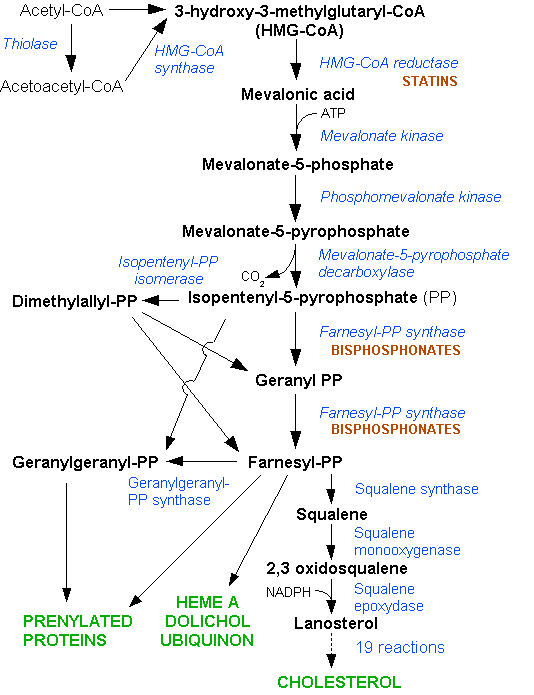
I soon deduced that statin drugs in their officially reported capacity as reductase inhibitors were capable of blockading the critical mevalonate pathway, the biochemical channel for the production of not only cholesterol but Ubiquinone (Coenzyme Q10), dolichols, selenoprotein, Rho?? and altered phosphorylation.
Refs:
Coenzyme q10 and statin-induced mitochondrial dysfunction. Deichmann R, Lavie C, Andrews S. Ochsner J. 2010 Spring;10(1):16-21.
BMJ Case Rep. 2009;2009. pii: bcr07.2008.0412. doi: 10.1136/bcr.07.2008.0412. Epub 2009 Feb 2.
Hepatitis, rhabdomyolysis and multi-organ failure resulting from statin use.
Rajaram M.
Source: St Helens and Knowsley Hospitals NHS Trust, Medicine-Gastro, Whiston Hospital, Warrington Prescot, L35 5DR, UK.
J Am Coll Cardiol. 2007 Jun 12;49(23):2231-7. The role of coenzyme Q10 in statin-associated myopathy: a systematic review. Marcoff L, Thompson PD.
And now it seems that the benefit of statin drugs has been based upon their anti-inflammatory effects alluded to by Shoveman 7 years previously. Astonishingly, it appears cholesterol reduction had nothing to do with it. (Shoveman does not say this) Cholesterol was not our biggest enemy, it was our greatest friend.
We simply cannot not live without ample supplies of cholesterol. It is perhaps the most important biochemical in our bodies, mistakenly turned into a monster by a terribly confused Doctor ?? (who??) now known to have altered his data ?? and a nation ready to welcome a new disease to show what the Federal government could do.
No questions were asked. We only now are learning what the real effects of statins are in our bodies and it is far more that CoQ10 and dolichol inhibition, though that is quite sufficient. Recently we have seen that the primary mechanism of action of statins, the reason so many of the side effects are permanent, is because they are based on mitochondrial mutations.
Adverse Effects of Statins - Mechanisms and Consequences, pp.209-228 (20) Authors: Jerzy Beltowski, Grazyna Wojcicka, Anna Jamroz-Wisniewska - eg Peripheral Neuropathy
With this sad tale behind us we now recognize belatedly that C-reactive protein (CRP) has value as a marker for inflammation. Yes it is a non-specific marker in that an elevated value may just as easily be due to infected teeth, gall bladder or prostate.
This is not a new test. As I recall Ike's CRP was elevated on at least one occasion and in my case it went sky high during a flare-up of diverticulitis 20 years ago that happened to coincide with my astronaut physical as Johnson Space Center. So CRP by itself does not necessarily point to heart disease. Recently it has been refined to help with heart specificity, the hs-CRP (high-sensitivity CRP) test.
C-reactive protein was originally discovered by Tillett and Francis in 1930 as a substance in the serum of patients with acute inflammation that reacted with the C polysaccharide of pneumococcus.
From the very beginning it was known to be associated with a variety of different inflammatory states and as such soon was recognized as a non-specific test for inflammation anywhere in the body.
CRP has no relationship with cholesterol. A person with an elevated CRP can easily be screened for infection in prostate, sinus, teeth, bladder, ovaries or tubes and if found negative becomes suspect for a possible cardiovascular origin and a candidate for use of a low dose statin.
The four elements of inflammation control: platelet activation, monocyte adhesion, lymphyocyte attraction and smooth muscle migration respond very well to the anti-inflammatory impact of any statin, as Shoveman predicted.
Most researchers on this subject believe that certain triggers of inflammation, like homocysteine, cigarette smoking, inherited coagulation defects, inherited platelet defects, transfats, oxycholesterol exposure, etc trigger subendothelial zones of inflammation which if unchecked grow to atheroma.
The use of such markers as the hs-CRP test will allow more judicious selection of candidates for the use of anti-inflammatory drugs. I am confident that both inflammatory markers and anti-inflammatory drugs will drastically improve in time. In the meantime a low dose statin remains an option as do the dietary supplements that are capable of lowering CRP both safely and cost effectively.
Duane Graveline MD MPH
Former USAF Flight Surgeon
Former NASA Astronaut
Retired Family Doctor
Sunday, 23 December 2012
The higher the CRP, the greater likelihood of heart disease but CRP does not cause heart disease
reposted from: http://www.nytimes.com/2009/07/01/health/01heart.html
crabsallover highlights, key points, comments / links.
A blood protein that only a short time ago was thought by some to be more important than cholesterol in heart disease now appears to be little more than a bystander.
The substance, C-reactive protein, or CRP, a marker of inflammation in the body, is unquestionably associated with heart disease: the more CRP in a person’s blood, the greater the likelihood of heart disease.
But in a paper to be published Wednesday in The Journal of the American Medical Association, researchers analyzing genetic data from more than 100,000 people conclude that their study “argues against” the notion that the protein causes heart disease.
Dr. David Altshuler, a professor of genetics and medicine at Harvard Medical School, said the distinction was important. If CRP caused heart disease, lowering it would protect people. But if it was merely associated with the disease, lowering CRP would have no more effect on health than quelling a shrieking fire alarm would have on putting out a fire.
Many believed CRP caused heart disease, especially after a widely publicized study released last year suggested that people with low cholesterol but high CRP levels had fewer heart attacks if they took a statin, a cholesterol-lowering drug that also lowers CRP.
That could mean that lowering CRP could prevent heart disease. Of course, it also could have been the cholesterol lowering that was protective, but many researchers argued that it was the reduction in CRP.
“There certainly has been a very vocal constituency in the idea that CRP causes or contributes to the development of heart disease,” said Dr. Daniel Rader, a lipid expert at the University of Pennsylvania. He noted that some companies were trying to develop drugs to lower CRP.
But Dr. Michael S. Lauer, director of the division of prevention and epidemiology at the National Heart, Lung and Blood Institute, said it might now be smart to abandon that search.
“It is likely that drugs or agents that specifically target CRP are not going to work,” Dr,. Lauer said.
The findings will not change current treatment. And one leading CRP researcher, Dr. Paul M. Ridker of Brigham and Women’s Hospital in Boston, director of last year’s study, called Jupiter, and the researcher most closely associated with the excitement over CRP, said the new study did not change anything for him.
Dr. Ridker, an inventor of a laboratory test for CRP who profits from its use, said that while the new results did not support causality, he did not think they definitely excluded it either.
Now that is interesting!
Anyway, he said, it does not matter because the real issue is inflammation. CRP goes along with inflammation, and it is inflammation that is likely to be causing heart disease, Dr. Ridker said.
The thought is that white blood cells invade artery walls and release damaging chemicals, leading to plaque formation.
The new study, by Dr. Paul Elliott of Imperial College in London and 35 co-authors, used a recently developed technique that can get answers quickly about causality. Without it, the only method was what is seen as the gold standard in medicine: large clinical trials in which people are randomly assigned to take a drug, or not, and followed for years.
The new method, Mendelian randomization, “is changing the way we think about causality,” Dr. Lauer said. It only recently became feasible as researchers found genetic variants associated with proteins like CRP and developed tools to analyze data from what was, in this case, more than 100,000 people.
Different people produce different amounts of CRP, and the amount a person produces is determined by tiny inherited changes in the CRP gene. So in a population, there are people who just happen to produce more CRP throughout their lives and others who just happen to produce less. If CRP causes heart disease, those who make more would have more heart disease. That, however, is not what the study found.
“There was no association” between CRP genes and heart disease rates, Dr. Elliott said.
The association between CRP and heart disease must be reflecting something else. For example, if CRP levels go up when heart disease begins, because of inflammation in arteries, CRP levels would be higher in people with incipient heart disease. But CRP itself would be playing no role in heart disease risk; it was just marker of inflammation.
A smaller study of CRP, using the same method and published last October in The New England Journal of Medicine, came to the same conclusion.
But this second, larger, study was needed to convince heart experts, said Dr. Sekar Kathiresan, director of preventive cardiology at Massachusetts General Hospital.
“It’s a very important question particularly in the context of the Jupiter trial,” Dr. Kathiresan said.
Dr. Rader, at Penn, said he still did CRP tests on selected patients and expected to continue. An elevated CRP level indicates increased risk, even if the protein does not cause the risk. Dr. Rader tests CRP to help decide whether to give a statin to patients with normal cholesterol but with a family history of heart disease. A high CRP, he said, could tip the balance, leading him to prescribe a statin.
Dr. Altshuler noted that part of the power of a Mendelian randomization study was that it could stop a hypothesis from prematurely becoming viewed as fact.
Ordinarily, science starts with an observation, like the one associating CRP with heart disease. That generates a hypothesis — that CRP causes heart disease. Then comes a trial, if there is a treatment, like a drug to specifically attack CRP, that people can be randomly chosen to take or not.
But it can be years or decades before the clinical trials are completed. In the meantime, Dr. Altshuler said, the hypothesis comes to be regarded as true.
And if the clinical trial contradicts the hypothesis, “some people are unwilling to question their beliefs, even if there was no evidence of causality to begin with,” Dr. Altshuler said.
Study Dismisses Protein’s Role in Heart Disease
By GINA KOLATA Published: June 30, 2009A blood protein that only a short time ago was thought by some to be more important than cholesterol in heart disease now appears to be little more than a bystander.
The substance, C-reactive protein, or CRP, a marker of inflammation in the body, is unquestionably associated with heart disease: the more CRP in a person’s blood, the greater the likelihood of heart disease.
But in a paper to be published Wednesday in The Journal of the American Medical Association, researchers analyzing genetic data from more than 100,000 people conclude that their study “argues against” the notion that the protein causes heart disease.
Dr. David Altshuler, a professor of genetics and medicine at Harvard Medical School, said the distinction was important. If CRP caused heart disease, lowering it would protect people. But if it was merely associated with the disease, lowering CRP would have no more effect on health than quelling a shrieking fire alarm would have on putting out a fire.
Many believed CRP caused heart disease, especially after a widely publicized study released last year suggested that people with low cholesterol but high CRP levels had fewer heart attacks if they took a statin, a cholesterol-lowering drug that also lowers CRP.
That could mean that lowering CRP could prevent heart disease. Of course, it also could have been the cholesterol lowering that was protective, but many researchers argued that it was the reduction in CRP.
“There certainly has been a very vocal constituency in the idea that CRP causes or contributes to the development of heart disease,” said Dr. Daniel Rader, a lipid expert at the University of Pennsylvania. He noted that some companies were trying to develop drugs to lower CRP.
But Dr. Michael S. Lauer, director of the division of prevention and epidemiology at the National Heart, Lung and Blood Institute, said it might now be smart to abandon that search.
“It is likely that drugs or agents that specifically target CRP are not going to work,” Dr,. Lauer said.
The findings will not change current treatment. And one leading CRP researcher, Dr. Paul M. Ridker of Brigham and Women’s Hospital in Boston, director of last year’s study, called Jupiter, and the researcher most closely associated with the excitement over CRP, said the new study did not change anything for him.
Dr. Ridker, an inventor of a laboratory test for CRP who profits from its use, said that while the new results did not support causality, he did not think they definitely excluded it either.
Now that is interesting!
Anyway, he said, it does not matter because the real issue is inflammation. CRP goes along with inflammation, and it is inflammation that is likely to be causing heart disease, Dr. Ridker said.
The thought is that white blood cells invade artery walls and release damaging chemicals, leading to plaque formation.
The new study, by Dr. Paul Elliott of Imperial College in London and 35 co-authors, used a recently developed technique that can get answers quickly about causality. Without it, the only method was what is seen as the gold standard in medicine: large clinical trials in which people are randomly assigned to take a drug, or not, and followed for years.
The new method, Mendelian randomization, “is changing the way we think about causality,” Dr. Lauer said. It only recently became feasible as researchers found genetic variants associated with proteins like CRP and developed tools to analyze data from what was, in this case, more than 100,000 people.
Different people produce different amounts of CRP, and the amount a person produces is determined by tiny inherited changes in the CRP gene. So in a population, there are people who just happen to produce more CRP throughout their lives and others who just happen to produce less. If CRP causes heart disease, those who make more would have more heart disease. That, however, is not what the study found.
“There was no association” between CRP genes and heart disease rates, Dr. Elliott said.
The association between CRP and heart disease must be reflecting something else. For example, if CRP levels go up when heart disease begins, because of inflammation in arteries, CRP levels would be higher in people with incipient heart disease. But CRP itself would be playing no role in heart disease risk; it was just marker of inflammation.
A smaller study of CRP, using the same method and published last October in The New England Journal of Medicine, came to the same conclusion.
But this second, larger, study was needed to convince heart experts, said Dr. Sekar Kathiresan, director of preventive cardiology at Massachusetts General Hospital.
“It’s a very important question particularly in the context of the Jupiter trial,” Dr. Kathiresan said.
Dr. Rader, at Penn, said he still did CRP tests on selected patients and expected to continue. An elevated CRP level indicates increased risk, even if the protein does not cause the risk. Dr. Rader tests CRP to help decide whether to give a statin to patients with normal cholesterol but with a family history of heart disease. A high CRP, he said, could tip the balance, leading him to prescribe a statin.
Dr. Altshuler noted that part of the power of a Mendelian randomization study was that it could stop a hypothesis from prematurely becoming viewed as fact.
Ordinarily, science starts with an observation, like the one associating CRP with heart disease. That generates a hypothesis — that CRP causes heart disease. Then comes a trial, if there is a treatment, like a drug to specifically attack CRP, that people can be randomly chosen to take or not.
But it can be years or decades before the clinical trials are completed. In the meantime, Dr. Altshuler said, the hypothesis comes to be regarded as true.
And if the clinical trial contradicts the hypothesis, “some people are unwilling to question their beliefs, even if there was no evidence of causality to begin with,” Dr. Altshuler said.
reposted from: http://www.scfmresidency.com/SCFM_Curriculum/Journal_Club/9-19_Journal_Club/Journal_Club_9-19-05_CRP_Article.pdf
crabsallover highlights, key points, comments / links.
Background
Statins lower the levels of low-density lipoprotein (LDL) cholesterol and C-reactive protein (CRP). Whether this latter property affects clinical outcomes is unknown.Methods
We evaluated relationships between the LDL cholesterol and CRP levels achieved after treatment with 80 mg of atorvastatin or 40 mg of pravastatin per day and the risk of recurrent myocardial infarction or death from coronary causes among 3745 patients with acute coronary syndromes.Results
Patients in whom statin therapy resulted in LDL cholesterol levels of less than 70 mg per deciliter (1.8 mmol per liter) had lower event rates than those with higher levels (2.7 vs. 4.0 events per 100 person-years, P=0.008). However, a virtually identical difference was observed between those who had CRP levels of less than 2 mg per liter after statin therapy and those who had higher levels (2.8 vs. 3.9 events per 100 person-years, P=0.006), an effect present at all levels of LDL cholesterol achieved. For patients with post-treatment LDL cholesterol levels of more than 70 mg per deciliter, the rates of recurrent events were 4.6 per 100 person-years among those with CRP levels of more than 2 mg per liter and 3.2 events per 100 person-years among those with CRP levels of less than 2 mg per liter; the respective rates among those with LDL cholesterol levels of less than 70 mg per deciliter were 3.1 and 2.4 events per 100 person-years (P<0.001). Although atorvastatin was more likely than pravastatin to result in low levels of LDL cholesterol and CRP, meeting these targets was more important in determining the outcomes than was the specific choice of therapy. Patients who had LDL cholesterol levels of less than 70 mg per deciliter and CRP levels of less than 1 mg per liter after statin therapy had the lowest rate of recurrent events (1.9 per 100 person-years).Conclusions
Patients who have low CRP levels after statin therapy have better clinical outcomes than those with higher CRP levels, regardless of the resultant level of LDL cholesterol. Strategies to lower cardiovascular risk with statins should include monitoring CRP as well as cholesterol.Statins effective prevents of heart attacks in persons with low cholesterol but high C-reactive protein (CRP)
reposted from: http://www.westhertshospitals.nhs.uk/whc/archive/evidence/01%20prevention/AFCAPS%20CRP-NEJM%202001.pdf
Published: June 2001
crabsallover highlights, key points, comments / links.
As highlighted by David Agus in 'The end of Illness' (2012), the JUPITER study (wikipedia) suggested that high CRP may indicate risk of future heart attack up to 8 years in advance, even if cholesterol levels are low.
ABSTRACT
Background Elevated levels of C-reactive protein, even in the absence of hyperlipidemia, are associated with an increased risk of coronary events. Statin therapy reduces the level of C-reactive protein independently of its effect on lipid levels. We hypothesized that statins might prevent coronary events in persons with elevated C-reactive protein levels who did not have overt hyperlipidemia.Methods
The level of C-reactive protein was measured at base line and after one year in 5742 participants in a five-year randomized trial of lovastatin for the primary prevention of acute coronary events.Results
The rates of coronary events increased significantly with increases in the base-line levels of C-reactive protein. Lovastatin therapy reduced the C-reactive protein level by 14.8 percent (P<0.001), an effect not explained by lovastatin-induced changes in the lipid profile. As expected, lovastatin was effective in preventing coronary events in participants whose base-line ratio of total cholesterol to high-density lipoprotein (HDL) cholesterol was higher than the median ratio, regardless of the level of C-reactive protein (number needed to treat for five years to prevent 1 event, 47; P=0.005). However, lovastatin was also effective among those with a ratio of total to HDL cholesterol that was lower than the median and a C-reactive protein level higher than the median (number needed to treat, 43; P=0.02). In contrast, lovastatin was ineffective among participants with a ratio of total to HDL cholesterol and a C-reactive protein level that were both lower than the median (number needed to treat, 983; P=0.87).Conclusions
Statin therapy may be effective in the primary prevention of coronary events among persons with relatively low lipid levels but with elevated levels of C-reactive protein. (N Engl J Med 2001;344:1959-65.)Wednesday, 22 August 2012
Mark P. Mattson talks about Intermittent Energy Fasting
reposted from: http://mpegmedia.abc.net.au/rn/podcast/2012/05/hrt_20120507_1740.mp3 via https://twitter.com/DrMichaelMosley# 17th August 2012
crabsallover highlights, key points, comments / links.
Prof. Mark P. Mattson (ChNat. Inst. Ageing in Baltimore): CR in animals reduces cancer, kidney disease, diabetes - all animals live longer. Animals in wild are geered to feast or famine so the human 3 meals a day is abnormal from evolutionary standpoint. Intermittent energy restriction (IER) (eg 2 days a week have low calorie intake) imitates evolution. IER v daily CR (calorie restricted every day): IER has more powerful effects for nerve cells to resist stress and disease.
With IER before animals become symptomatic can protect brain: reduces Amyloid accumulation (gunk ceases up the brain) of Alzheimers disease and preserves dopamine producing neurons which reduces Parkinsons disease. On alternate Day Fasting, before symptoms become symtomatic, mice live 30% longer on IER.
IER reduced Oxidative stress (reduces rusting of brain ie reduced free radicals), reduced local inflammation (reduced cytokines eg tumour necrosis factor TNF - immune system less active so brain ages less).
Fasting increases production of protein neurotrophic factors (causes nerve cells to grow), increases stem cell Brain Derived Neurotrophic Factor (BDNF wiki) which increases production of nerve cells (neurogenesis). With increased exercise AND IEF, BDNF:-
IER and CER are equally effective for weight loss, comparable reductions in: leptin, C-reactive protein, total and LDL cholesterol, triglycerides, blood pressure, increased IGFBP-1 and IGFBP-2, negligible changes in total and free IGF-1.
on IER:-
Prof. Mark P. Mattson (ChNat. Inst. Ageing in Baltimore): CR in animals reduces cancer, kidney disease, diabetes - all animals live longer. Animals in wild are geered to feast or famine so the human 3 meals a day is abnormal from evolutionary standpoint. Intermittent energy restriction (IER) (eg 2 days a week have low calorie intake) imitates evolution. IER v daily CR (calorie restricted every day): IER has more powerful effects for nerve cells to resist stress and disease.
With IER before animals become symptomatic can protect brain: reduces Amyloid accumulation (gunk ceases up the brain) of Alzheimers disease and preserves dopamine producing neurons which reduces Parkinsons disease. On alternate Day Fasting, before symptoms become symtomatic, mice live 30% longer on IER.
IER reduced Oxidative stress (reduces rusting of brain ie reduced free radicals), reduced local inflammation (reduced cytokines eg tumour necrosis factor TNF - immune system less active so brain ages less).
Fasting increases production of protein neurotrophic factors (causes nerve cells to grow), increases stem cell Brain Derived Neurotrophic Factor (BDNF wiki) which increases production of nerve cells (neurogenesis). With increased exercise AND IEF, BDNF:-
- Strengthens neuron synapses - maintains cognitive function
- Increases antioxidant enzymes (counteract free radicals), suppresses free radicals and inflammation
Muscle Analogy
This increase in stress in your brain is analogous to exciting muscle cells which make them stronger and contract. Nerve cells when exited send signal to next neuron, become more active when they are hungry. With mild stress - nerve cells become more active and this is evolutionary important.Downside of IER
Reduced wound healing, increased risk of infection for cave men ancestors.Human Trials
In breast tumour patients (with Michelle Harvie, Wythenshawe Hospital, Uni Manchester reported by Daily Mail), Press Release, full article Int. Journal of Obesity. 100 subjects split into 3 groups. 1) control diet ate normally, 2) 15% reduction in calories (CER) 3) 5:2 day fast diet (IER) - had less insulin resistance than other groups.IER and CER are equally effective for weight loss, comparable reductions in: leptin, C-reactive protein, total and LDL cholesterol, triglycerides, blood pressure, increased IGFBP-1 and IGFBP-2, negligible changes in total and free IGF-1.
on IER:-
- sugar reaching breast cells decreased
- breast cells divide less frequently, reducing chances of cancer
- had fewer cancer-causing hormones in their blood six months later
- Leptin fell by 40 per cent
- Insulin fell by 25 per cent
- C-Reactive Protein fell by 15 per cent
Wednesday, 15 August 2012
More exercise in your 50s 'cuts heart disease risk'
reposted from: http://www.nhs.uk/news/2012/08august/Pages/Never-too-late.aspx via Netvibes
crabsallover highlights, key points, comments / links.
Tue Aug 14, 2012 10:32
"Exercise in midlife protects heart," says BBC News, while the Daily Mail tells us that "gardening, walking and DIY in your fifties can cut risk of heart disease".
The news is based on a large study looking at the health of middle-aged people. Researchers found that those who met physical activity recommendations of at least 2.5 hours of moderate to vigorous exercise a week had lower levels of inflammation in their body compared with people who did not get enough exercise.
Reducing levels of inflammation is important as persistent inflammation, even at relatively modest levels, is thought to contribute to the adverse effects of ageing. For example, it is thought to contribute to loss of muscle power and strength, cardiovascular disease or CVD (conditions that affect the heart and blood vessels) and depression.
Interestingly, the results were independent of body fat. This suggests that exercise was still of significant benefit for people with no, or little, previous history of exercise.
The study had some limitations, including the fact that it measured markers of inflammation rather than CVD rates themselves. Nevertheless, this was a well conducted study that reinforces the health benefits of even moderate exercise.
Where did the story come from?
The research was part of the Whitehall II study ... The study was published in the peer-reviewed journal Circulation.
This story has been covered by the BBC, The Daily Telegraph and the Daily Mail. The news coverage was accurate.
The media coverage of the study focused on the fact that the average age of the participants was almost 50. However, although this was the case, the study did not address when in your life exercise is the most beneficial. The Department of Health recommends that all people, whatever their age, take part in regular physical activities.
What kind of research was this?
This was a prospective cohort study that aimed to examine the association between long-term physical activity behaviour and low-grade inflammation over a 10-year follow-up period.
Although a cohort study was the appropriate study type to investigate the association between exercise and inflammatory markers, it cannot prove that exercise directly caused the differences.
A randomised controlled trial (RCT) with a long follow-up would be required to show direct cause and effect (causation). However, such a trial would be unethical to perform as people in a control group who were told not to exercise could damage their health.
What did the research involve?
Participants were part of the Whitehall II population-based cohort, which aimed to investigate social and occupational influences on cardiovascular disease risk. This study used data from 4,289 men and women who were recruited from the British civil service, who were 49 years old on average.
These people answered questions about the frequency, the amount and the intensity of activity they did in a week. This information was collected in 1991-1993 (the study start), 1997-1999 and 2002-2004 (the study end). The participants were analysed separately depending on whether they followed physical activity guidelines of at least 2.5 hours a week of moderate to vigorous physical activity.
Moderate-intensity exercise is defined as working hard enough to raise your heart rate and break a sweat, such as walking fast or pushing a lawn-mower. Vigorous-intensity exercise is defined as any exercise that causes a person to breathe hard and fast and significantly accelerate their heart rate, such as jogging or riding a bike at speed.
During each of the three time periods, the study participants were also clinically examined, had their height, weight, waist and hip circumference and blood pressure measured, and answered health and demographic questions.
A fasting blood sample was also taken, so the levels of two proteins known to be associated with inflammation – C-reactive protein and interleukin-6 – could be measured.
C-reactive protein Normal concentration in healthy human serum is usually lower than 10 mg/L, slightly increasing with aging. Higher levels are found in late pregnant women, mild inflammation and viral infections (10–40 mg/L), active inflammation, bacterial infection (40–200 mg/L), severe bacterial infections and burns (>200 mg/L).[23]
The researchers examined associations between baseline physical activity and long-term physical activity and inflammatory markers, after adjustment for:
- age
- gender
- smoking
- employment grade
- body mass index
- chronic (long-term) illness
What were the basic results?
The researchers found that approximately half of the study’s participants stuck to the recommended 2.5 hours a week of moderate to vigorous physical activity across all three assessments over the 10 years. Fulfilling the physical activity recommendations was associated with lower levels of inflammatory markers at baseline. There was no significant association between physical activity levels at baseline and change in the levels of inflammatory markers over time. This meant that the difference remained stable.
People who fulfilled the physical activity guidelines at all points during follow-up had lower levels of inflammatory markers than those who only fulfilled the guidelines at one point of follow-up, if at all. In addition, people who reported an increase in physical activity of at least 2.5 hours a week during the study had reduced inflammatory markers compared with those whose activity levels remained stable.
The researchers found that these associations were independent of measures of ‘fatness’ such as BMI or waist circumference. This is important because fatness could be used to explain the association seen, as people who adhered to the physical activity guidelines tended to have lower BMI, and fat tissue is a key site for the production of several inflammatory markers.
The fact that the association remained even in people with higher BMIs or waist circumference suggests that exercise can still benefit people who are overweight or obese with no previous history of exercise. As the Mail’s headline says, “it is never too late” to start exercising.
The researchers also found that people with higher levels of inflammatory markers at baseline had reduced physical activity over the follow-up period. This may be because inflammatory processes are thought to be involved in loss of skeletal muscle and functional decline.
So, while exercising in middle-age can bring important benefits, to achieve the greatest potential benefit from exercise, people should aim to remain physically active throughout their lives.
How did the researchers interpret the results?
The researchers said: “Regular physical activity is associated with lower markers of inflammation over 10 years of follow-up and thus may be important in preventing the pro-inflammatory state seen with aging”.
Conclusion
This study has found that people who did at least 2.5 hours of moderate to vigorous exercise regularly had lower levels of inflammatory markers over 10 years of follow-up. Levels of inflammatory markers gradually increase with age, and they are thought to play a role in the development of cardiovascular disease and other age-related conditions.
This was a prospective cohort study, which used people from a well understood cohort (the Whitehall II cohort, which recruited participants from the civil service). Participants in the study were followed for a long period, and measurement of all the exposures and outcomes of interest were taken repeatedly. However, although a cohort study was the appropriate study type to investigate the association between exercise and inflammatory markers, it cannot prove that exercise directly caused the differences as other unmeasured factors may have contributed. Also, when interpreting the results it is important to consider that the researchers measured inflammatory markers rather than the incidence of cardiovascular disease. Also, the study collected levels of activity using a questionnaire, which means that levels may not have been reported accurately. Finally, most of the people in the active group were men, so this finding may not apply to women.
However, this study adds weight to the case for regular exercise. The news coverage has focused on the fact that the average age of the participants was almost 50 years old, showing that exercise is beneficial at any age.
Links To The Headlines
Exercising in midlife protects heart, says research. BBC News, August 14 2012
Exercising later in life can ward off heart problems. The Daily Telegraph, August 14 2012
It's never too late to exercise: Major new British study proves that starting gardening, walking and DIY in your fifties can cut risk of heart disease. Daily Mail, August 14 2012
Links To Science
Hamer M, Sabia S, Batty GD, et al. Physical Activity and Inflammatory Markers Over 10 Years: Follow-Up in Men and Women from the Whitehall II Cohort Study. Circulation. Published online August 13 2012
http://circ.ahajournals.org/content/early/2012/06/28/CIRCULATIONAHA.112.103879.full.pdf+html - full free reference.
Friday, 4 February 2011
C-reactive protein concentration and the vascular benefits of statin therapy
reposted from: http://www.thelancet.com/journals/lancet/article/PIIS0140-6736(10)62174-5/abstract
crabsallover highlights, key points, comments / links.
The Lancet, Volume 377, Issue 9764, Pages 469 - 476, 5 February 2011
doi:10.1016/S0140-6736(10)62174-5
Cite or Link Using DOI
Published Online: 28 January 2011
C-reactive protein concentration and the vascular benefits of statin therapy: an analysis of 20 536 patients in the Heart Protection Study
Summary
Background
It has been suggested that inflammation status, as assessed by C-reactive protein (CRP) concentration, modifies the vascular protective effects of statin therapy. In particular, there have been claims that statins might be more beneficial in people with raised CRP concentrations, and might even be ineffective in people with low concentrations of both CRP and LDL cholesterol. This study aimed to test this hypothesis.
Methods
In 69 UK hospitals, 20 536 men and women aged 40—80 years at high risk of vascular events were randomly assigned to simvastatin 40 mg daily versus matching placebo for a mean of 5·0 years. Patients were categorised into six baseline CRP groups (<1·25, 1·25—1·99, 2·00—2·99, 3·00—4·99, 5·00—7·99, and ≥8·00 mg/L). The primary endpoint for subgroup analyses was major vascular events, defined as the composite of coronary death, myocardial infarction, stroke, or revascularisation. Analysis was by intention to treat. This study is registered, number ISRCTN48489393.
Findings
Overall, allocation to simvastatin resulted in a significant 24% (95% CI 19—28) proportional reduction in the incidence of first major vascular event after randomisation (2033 [19·8%] allocated simvastatin vs 2585 [25·2%] allocated placebo). There was no evidence that the proportional reduction in this endpoint, or its components, varied with baseline CRP concentration (trend p=0·41). Even in participants with baseline CRP concentration less than 1·25 mg/L, major vascular events were significantly reduced by 29% (99% CI 12—43, p<0·0001; 239 [14·1%] vs 329 [19·4%]). No significant heterogeneity in the relative risk reduction was recorded between the four subgroups defined by the combination of low or high baseline concentrations of LDL cholesterol and CRP (p=0·72). In particular, there was clear evidence of benefit in those with both low LDL cholesterol and low CRP (27% reduction, 99% CI 11—40, p<0·0001; 295 [15·6%] vs 400 [20·9%]).
Interpretation
Evidence from this large-scale randomised trial does not lend support to the hypothesis that baseline CRP concentration modifies the vascular benefits of statin therapy materially.
Introduction
Inflammation is thought to contribute to the pathogenesis of coronary heart disease.1 C-reactive protein (CRP), an acute phase reactant synthesised by the liver, is the most extensively studied systemic marker of inflammation. Results from a meta-analysis2 of individual participant data from 54 prospective observational studies showed that CRP concentration was associated with the risk of coronary heart disease, ischaemic stroke, and vascular and non-vascular mortality. However, associations with ischaemic vascular diseases were explained largely by conventional risk factors (eg, CRP is positively correlated with smoking, diabetes, physical inactivity, blood pressure, body-mass index, non-HDL cholesterol, and triglycerides2), and so they might not reflect causality (which is supported by genetic-epidemiological studies3). Nonetheless, the ability of CRP to predict vascular risk means that it might still be useful as a biomarker to identify individuals who would particularly benefit from therapies to reduce risk.4
Some,5, 6 but not all,7 subgroup analyses undertaken in previous randomised trials of statin therapy have suggested that the vascular benefits might be greater in the presence of inflammation than in its absence. It has even been suggested that people who have low concentrations of both LDL cholesterol and CRP might not benefit much from statin therapy.8 The JUPITER trial9randomly allocated 17 802 apparently healthy men and women with LDL cholesterol concentrations less than 130 mg/L (3·4 mmol/L) but CRP concentrations 2·0 mg/L or greater to receive either rosuvastatin 20 mg daily or matching placebo. Allocation to rosuvastatin reduced LDL cholesterol at 1 year by about 50% (ie, 1·2 mmol/L) and CRP by about 40% (1·3 mg/L) and, during median treatment duration of about 2 years, there was a significant 44% reduction in the primary composite endpoint of myocardial infarction, stroke, arterial revascularisation, admission to hospital for unstable angina, or death from cardiovascular causes.9 It has been suggested that this large relative risk reduction is greater than might have been expected given the achieved LDL cholesterol reduction,9, 10 raising the possibility that the benefits of statins might be proportionally greater in people with high CRP concentrations. Secondary analyses of the JUPITER trial did not record any evidence that the effect of rosuvastatin on vascular events differed according to baseline CRP concentration,11 but these analyses included only three baseline groups for CRP (because of the relatively small number of events) and were not able to assess the effect in people with CRP concentration less than 2·0 mg/L (because they were not eligible for the trial).
The Heart Protection Study (HPS) is, to date, the largest randomised trial of statin therapy and was undertaken in high-risk patients in whom large numbers of major vascular events occurred during the study treatment period. This study tested the hypothesis that the effects of statin therapy differ according to baseline concentrations of CRP and LDL cholesterol.
Monday, 21 June 2010
Total, LDL, HDL cholesterol
Blood Levels mmol/L (millimole per litre) reposted from: wiki via HDL wiki
Optimal Cholesterol Values Range (mmol/L)
Total (2.4 to 3.9) = HDL (1 to 2) + LDL (1.5 to 2.5)
Optimal Cholesterol Values (mmol/L)
Total (3.5) = HDL (1.5) + LDL (2.0)
Usual Cholesterol Values (mmol/L)
Total (3 to 6.5) = HDL (0.9 to 2) + LDL (2 to 3.5)
If total cholesterol is 5 mmol/L to 3.5 mmol/L is a 30% reduction.
Glucose (fasting) values (diabetes test)
3.8 to 6 mmol/L
Triglycerides (40-59 years) Range
0.7 to 1.7 mmol/L.
People with high triglyceride levels have a greater risk of developing cardiovascular disease than people with lower levels. (source)
C-Reactive Protein (nmol/L)
Triglycerides (40-59 years) Range
0.7 to 1.7 mmol/L.
People with high triglyceride levels have a greater risk of developing cardiovascular disease than people with lower levels. (source)
C-Reactive Protein (nmol/L)
CRP Range: 65 to 250 nmol/L.
Elevated C-reactive protein levels (wiki) have been shown to be an early indicator of heart attack even when cholesterol levels are 'normal'. C-reactive protein (CRP) is a protein found in the blood, the levels of which rise in response to inflammation. Its role is to bind to phosphocholine expressed on the surface of dying cells (and some bacteria) beginning the phagocytotic immunologic response.
Kurzweil & Grossman in Transcend (2009)
Sunday, 9 November 2008
Statin use 'may benefit healthy'

Statins are widely prescribed on the NHS
|
Guidelines on who is eligible for statins may need to be widened after an international trial found benefits in "healthy" adults, experts say.
The study of 17,800 men and women with normal cholesterol levels found rosuvastatin cut deaths from heart attacks and strokes. Currently statins are offered to people with a moderate to high risk of a cardiovascular "event".
The results are published in the New England Journal of Medicine Published at www.nejm.org November 9, 2008 (10.1056/NEJMoa0807646)
The patients in the trial, funded by AstraZeneca, had cholesterol levels below those usually indicating a need for treatment and had no other signs of heart disease.
Dr Terry McCormack,
|
But they did have increased levels of a C-reactive protein, which indicates inflammation in the body and is believed to be a marker of future cardiovascular events.
After an average follow-up of two years, 20mg a day of rosuvastatin was found to have cut cholesterol by 50% and C-reactive protein by 37%.
Overall, the chance of a heart attack, stroke, hospital admission for chest pain or death from cardiovascular disease was cut by 44%, researchers said.
A reduction was even seen in those with the lowest chance of a cardiovascular event over the next decade, they said.
Researchers found a higher incidence of physician-reported diabetes in the statin group but could not explain it as blood glucose levels were similar between those taking rosuvastatin and those taking a dummy pill.
Guidelines
Statins are already prescribed to millions of adults in the UK.
The UK's National Institute of Clinical and Health Excellence (NICE)recommends doctors carry out a risk calculation based on an individual's blood pressure, cholesterol, weight and other risk factors, such as whether or not they smoke.
Those with a 20% risk of a heart attack or stroke in the next 10 years should be prescribed a daily dose of simvastatin - the cheapest of the statin class.
Dr Terry McCormack, a GP in Whitby, North Yorkshire, and ex-chairman of the Primary Care Cardiovascular Society, said the results were "astonishing" and much stronger than he would have expected.He added that NICE should redo their cost-effectiveness calculation on the basis of the latest figures.
"These are people who have an intermediate risk and you wouldn't normally prescribe statins for them in the UK," he said.Professor Peter Sever, an expert in clinical pharmacology at Imperial College in London, said
"It opens up a whole new debate and the trial probably raises more questions than it answers."
the results backed other studies which had shown statins had the same proportional benefit however low an individual's cholesterol.But he added:
"The thing to remember is that the 20% threshold is arbitrary - it is essentially based on economic issues.
"Most nations have a finite pot and if you're going to treat everyone with a 10% risk, that's billions of pounds extra and somewhere along the line someone else is going to miss out."Dr Alan McDougall, from AstraZeneca, said there was "no question" the trial would raise some important issues about statin use but that they would recommend doctors still follow existing guidance.
NICE is due to consult on plans to review their statin guidance shortly.
Abstract
Background Increased levels of the inflammatory biomarker high-sensitivity C-reactive protein predict cardiovascular events. Since statins lower levels of high-sensitivity C-reactive protein as well as cholesterol, we hypothesized that people with elevated high-sensitivity C-reactive protein levels but without hyperlipidemia might benefit from statin treatment.
Methods We randomly assigned 17,802 apparently healthy men and women with low-density lipoprotein (LDL) cholesterol levels of less than 130 mg per deciliter (3.4 mmol per liter) and high-sensitivity C-reactive protein levels of 2.0 mg per liter or higher to rosuvastatin, 20 mg daily, or placebo and followed them for the occurrence of the combined primary end point of myocardial infarction, stroke, arterial revascularization, hospitalization for unstable angina, or death from cardiovascular causes.
Results The trial was stopped after a median follow-up of 1.9 years (maximum, 5.0). Rosuvastatin reduced LDL cholesterol levels by 50% and high-sensitivity C-reactive protein levels by 37%. The rates of the primary end point were 0.77 and 1.36 per 100 person-years of follow-up in the rosuvastatin and placebo groups, respectively (hazard ratio for rosuvastatin, 0.56; 95% confidence interval [CI], 0.46 to 0.69; P<0.00001),> rates of 0.17 and 0.37 for myocardial infarction (hazard ratio, 0.46; 95% CI, 0.30 to 0.70; P=0.0002), 0.18 and 0.34 for stroke (hazard ratio, 0.52; 95% CI, 0.34 to 0.79; P=0.002), 0.41 and 0.77 for revascularization or unstable angina (hazard ratio, 0.53; 95% CI, 0.40 to 0.70; P<0.00001),> the combined end point of myocardial infarction, stroke, or death from cardiovascular causes (hazard ratio, 0.53; 95% CI, 0.40 to 0.69; P<0.00001),> any cause (hazard ratio, 0.80; 95% CI, 0.67 to 0.97; P=0.02). Consistent effects were observed in all subgroups evaluated. The rosuvastatin group did not have a significant increase in myopathy or cancer but did have a higher incidence of physician-reported diabetes.
Conclusions In this trial of apparently healthy persons without hyperlipidemia but with elevated high-sensitivity C-reactive protein levels, rosuvastatin significantly reduced the incidence of major cardiovascular events. (ClinicalTrials.gov number, NCT00239681 [ClinicalTrials.gov] .)
Current treatment algorithms for the prevention of myocardial infarction, stroke, and death from cardiovascular causes recommend statin therapy for patients with established vascular disease, diabetes, and overt hyperlipidemia.1,2
However, half of all myocardial infarctions and strokes occur among apparently healthy men and women with levels of low-density lipoprotein (LDL) cholesterol that are below currently recommended thresholds for treatment.Measurement of high-sensitivity C-reactive protein, an inflammatory biomarker that independently predicts future vascular events, improves global classification of risk, regardless of the LDL cholesterol level.3,4,5,6,7,8,9 We have previously shown that statin therapy reduces high-sensitivity C-reactive protein levels10,11 and that among healthy persons,12 patients with stable coronary disease,13 and those with the acute coronary syndrome,14,15,16 the magnitude of the benefit associated with statin therapy correlates in part with the achieved high-sensitivity C-reactive protein level. To date, however, no prospective outcome trial has directly addressed the question of whether apparently healthy persons with levels of LDL cholesterol below current treatment thresholds but with elevated levels of high-sensitivity C-reactive protein might benefit from statin therapy. The primary objective of the Justification for the Use of Statins in Prevention: an Intervention Trial Evaluating Rosuvastatin (JUPITER) was to investigate whether treatment with rosuvastatin, 20 mg daily, as compared with placebo, would decrease the rate of first major cardiovascular events.
Study Population
As described in detail elsewhere,17,18 men 50 years of age or older and women 60 years of age or older were eligible for the trial if they did not have a history of cardiovascular disease and if, at the initial screening visit, they had an LDL cholesterol level of less than 130 mg per deciliter (3.4 mmol per liter) and a high-sensitivity C-reactive protein level of 2.0 mg per liter or more. Other requirements for inclusion were a willingness to participate for the duration of the trial, provision of written informed consent, and a triglyceride level of less than 500 mg per deciliter (5.6 mmol per liter).
Results
Between February 4, 2003, and December 15, 2006, a total of 89,890 people were screened for enrollment. Of these, 72,088 were ineligible, including 37,611 (52.2%) with LDL cholesterol levels of 130 mg per deciliter or more and an additional 25,993 (36.1%) with high-sensitivity C-reactive protein levels of less than 2.0 mg per liter. Other reasons for exclusion are presented in Fig. 1 in the Supplementary Appendix. A total of 17,802 people were randomly assigned to a study group.
Potential limitations of our study merit consideration.
First, we did not include people with low levels of high-sensitivity C-reactive protein in our trial,since our hypothesis-generating analysis of high-sensitivity C-reactive protein in the Air Force/Texas Coronary Atherosclerosis Prevention Study (AFCAPS/TexCAPS)12 showed extremely low event rates and no evidence that statin therapy lowered vascular risk among persons who had neither hyperlipidemia nor elevated high-sensitivity C-reactive protein levels. Thus, a trial of statin therapy involving people with both low cholesterol and low high-sensitivity C-reactive protein levels would have been not only infeasible in terms of statistical power and sample size but also highly unlikely to show a benefit.
Function C-Reactive Protein
CRP is a member of the class of acute phase reactants as its levels rise dramatically during inflammatory processes occurring in the body. This increment is due to a rise in the plasma concentration of IL-6, which is produced predominantly by macrophages[1] as well as adipocytes.[2] Interleukin-6 (IL-6) is an interleukin that acts as both a pro-inflammatory and anti-inflammatory cytokine.CRP binds to phosphocholine on microbes. It is thought to assist in complement binding to foreign and damaged cells and enhances phagocytosis by macrophages, which express a receptor for CRP. It is also believed to play an important role in innate immunity, as an early defense system against infections.
Subscribe to:
Posts (Atom)